African Buffalo Disease Study
Tanzania Ruaha Buffalo Disease Study
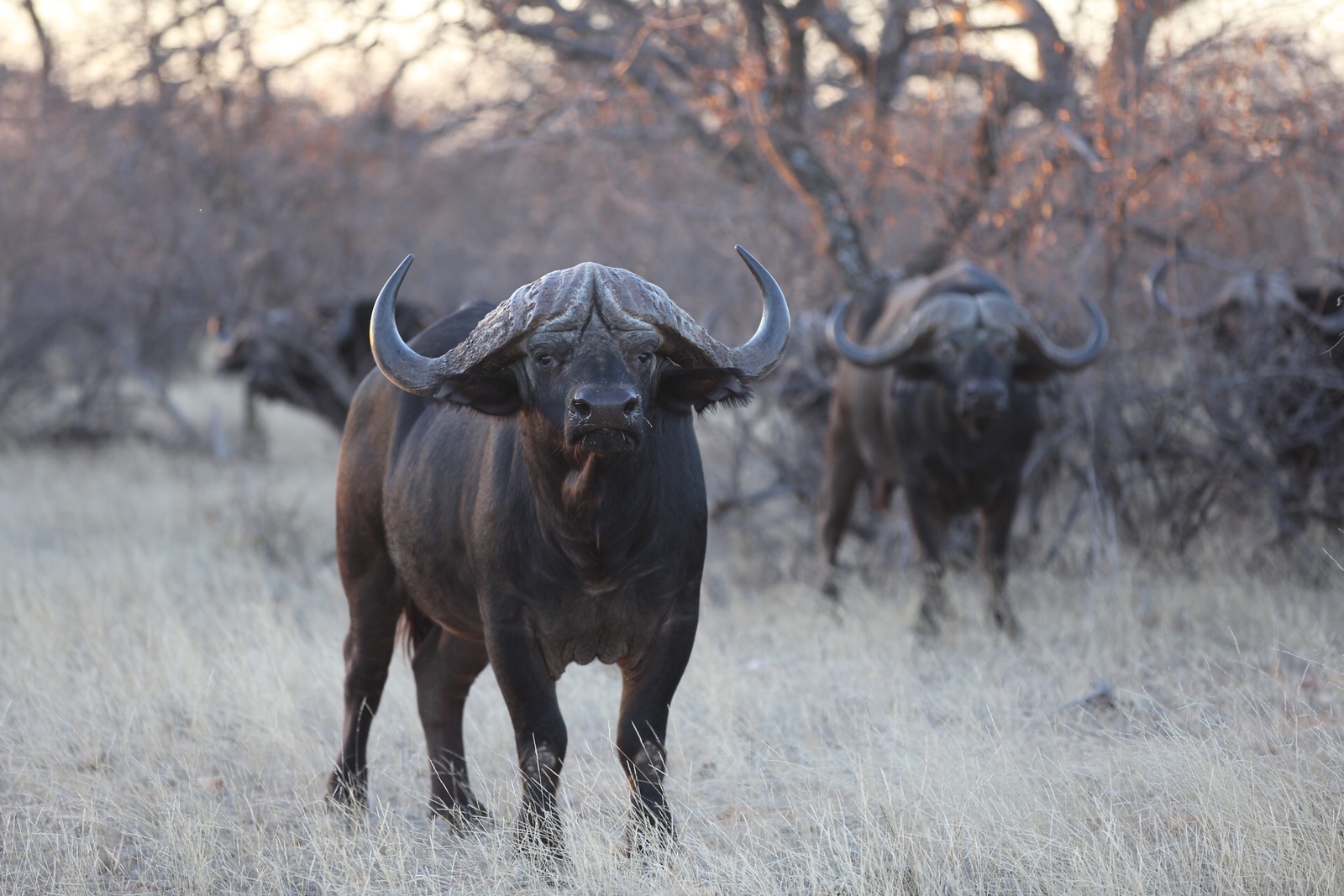
With SCI Foundation’s help, the project is leading more in-depth research on health, ecology, herd movement, and habitat use of Ruaha’s African buffalos. Nothing was previously known about buffalo home ranges or seasonal movements, except that herds disappear from the park during the wet season and return to congregate at the Great Ruaha River during the dry season. This seasonal movement may overlap with pastoral livestock populations.
Species Involved: Cape Buffalo
Project Partners: UC Davis, Ruaha National Park
SCIF Investment: $65,000
SCIF Involvement: 2014-2018
Project Outcomes
The African buffalo population in Ruaha National Park (RNP) was examined for overall health, ecology, and movements which included in and out of the park. A total of 40 buffalos were sampled from 2014 to 2017. The study found Bovine tuberculosis is present in multiple buffalo herds, however, it was noted that no clinical symptoms characteristic of the disease like emaciation, ill thrift, swollen lymph nodes were observed during sampling. It was also noted that the buffaloes were generally in good health with adequate calf production.
The study was not conclusive on Rift Valley Fever (RVF). It is known that RVF outbreaks occur periodically in humans and livestock in eastern Africa. Some believe that the African buffalos are thought to circulate the disease, however, in this study, the sample sizes were too small to detect any trends in the prevalence or spatial distribution of RVF.