Eastern Caucasian Tur
Ecology of the Eastern Caucasian Tur
SCIF Involvement: 2017-2018
Project Outcomes
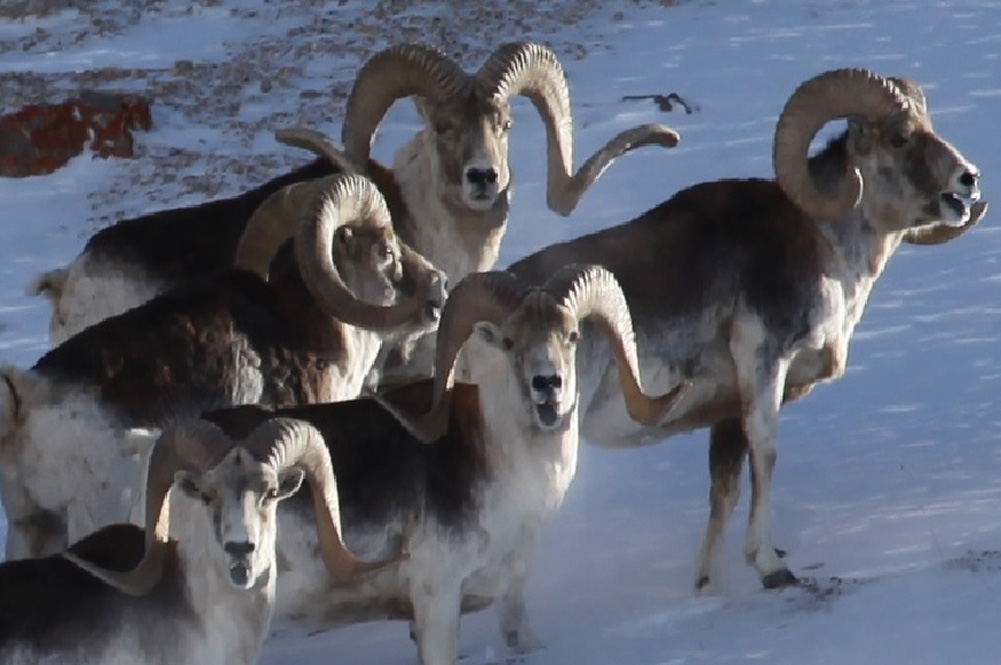
This study provided the first quantitative assessment of Caucasian tur populations in more than 20 years. This data is being used to support a long term, community-based conservation program that includes sustainable harvest. Information about population structure can show a true state of the species and provide data to support current hunting programs that contribute to tur conservation. The aspects of the study included determining tur density, home range size, and space-use. Other findings included:
- Evaluation of tur population demographics, including: sex-age structures, reproduction, and mortality rates.
- Dietary habits and food availability.
- Raised awareness of local communities via workshops, lectures, and publications about the value and importance of Eastern Caucasian tur.
- Helped empower local communities and created anti-poaching teams to combat resource theft.