Innovative Conservation Project Offers Farming Incentives to Local Villagers, Protects Wildlife
SCI Foundation (SCIF) and SCI Michigan Chapter have joined forces to combat habitat destruction in Mozambique by supporting sustainable farming practices and discouraging slash-and-burn agriculture. Through an SCI Foundation matching grant, the SCI Michigan Chapter partnered with Zambeze Delta Safaris (ZDS) to provide villagers in the Coutada 11 region with essential farming resources, reducing their reliance on unsustainable farming practices in a region that is a globally important biodiversity hotspot.
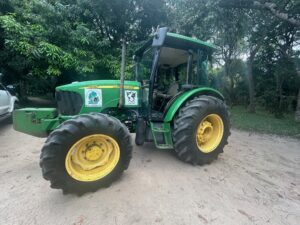
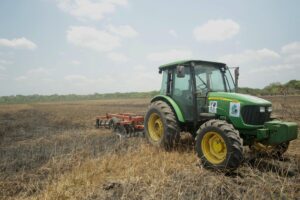
The sandy soil of Coutada 11 traditionally loses nutrients quickly, making it difficult for villagers to sustain crops without resorting to slash-and-burn methods. This approach historically has resulted in clearing about 100 acres of forest, threatening the local ecosystem. To address this, the Michigan Chapter began its commitment nearly a decade ago, starting with a $125,000 donation for a John Deere tractor, followed by an additional $100,000 over five years for seed and fertilizer. This matching grant from SCI Foundation will allow this important work to continue into the future.
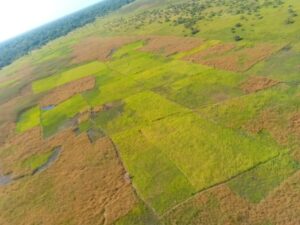
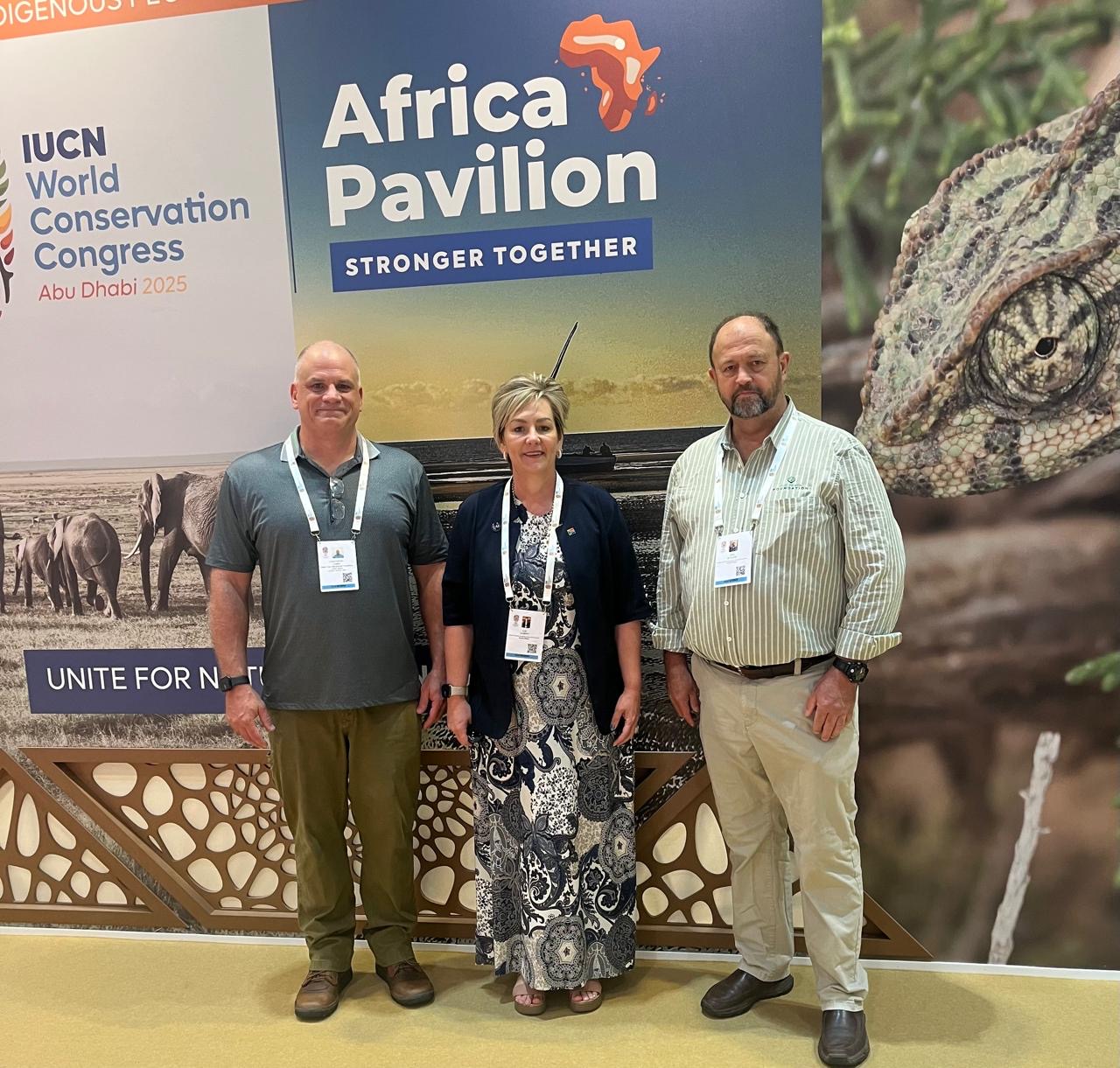
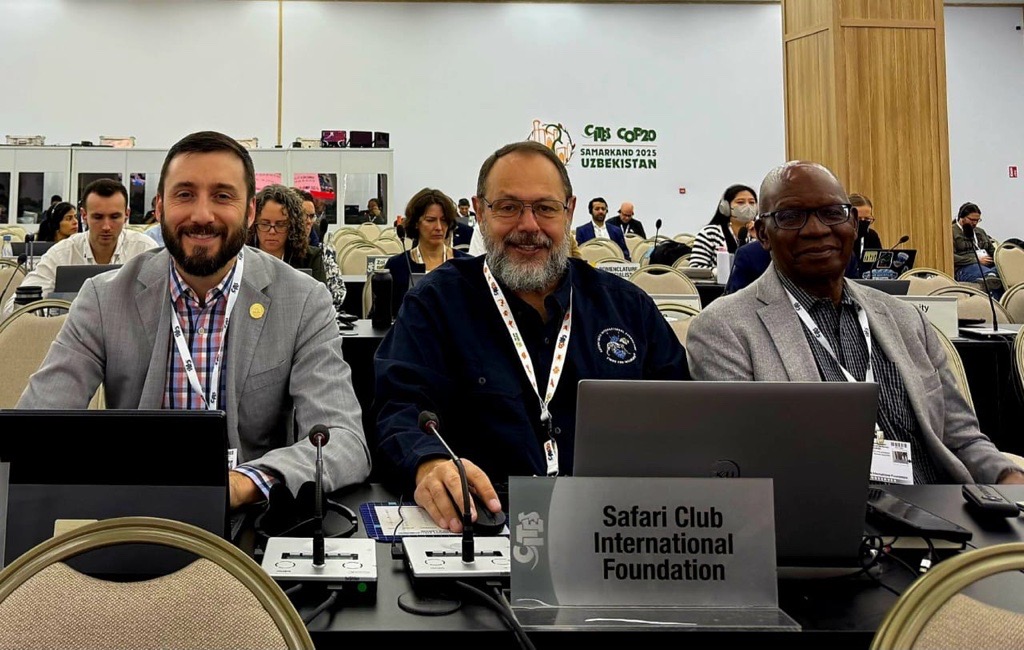
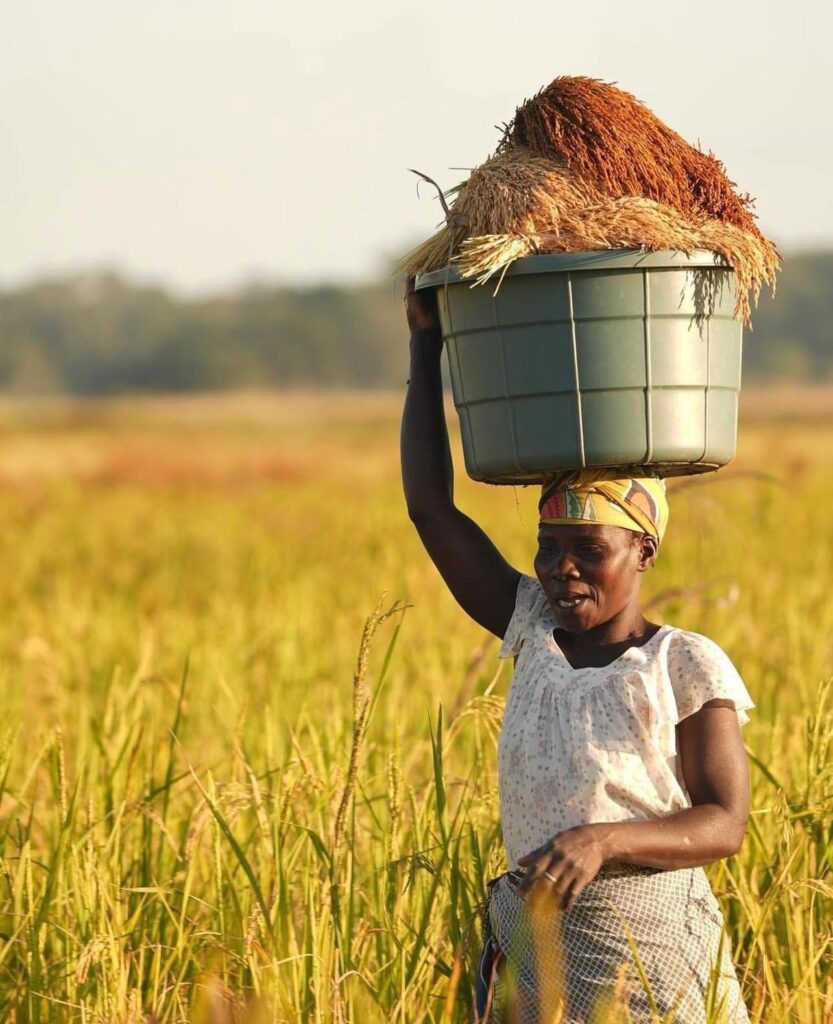
In September 2024, representatives Todd Cook and Dan Olson visited Mozambique to observe the project firsthand. They reported positive outcomes for both the community and wildlife. Each year, ZDS prepares a 126-acre field, dividing it into one-acre plots for each household in the village. Households receive rice and maize seed, mostly rice, and, after planting, a 110-pound bag of fertilizer. Families harvest only what they need for a few days and return for more as needed, with rice yields averaging about two tons per acre, depending on rainfall.
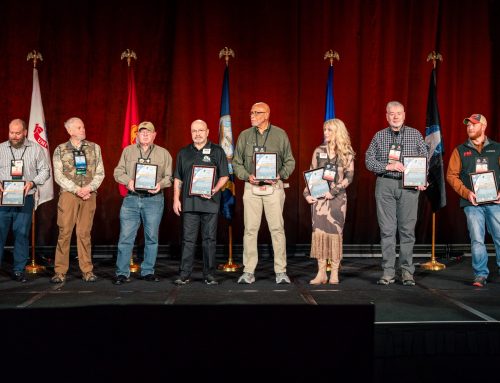
Support from organizations like the SCI Michigan Chapter and SCIF has made these achievements possible. The next opportunity for chapters to apply for SCIF matching grants opens March 1–30, 2026. SCIF extends gratitude to the Michigan Chapter and individual donors whose continued generosity supports conservation efforts, helping both local villagers and future wildlife populations thrive.