
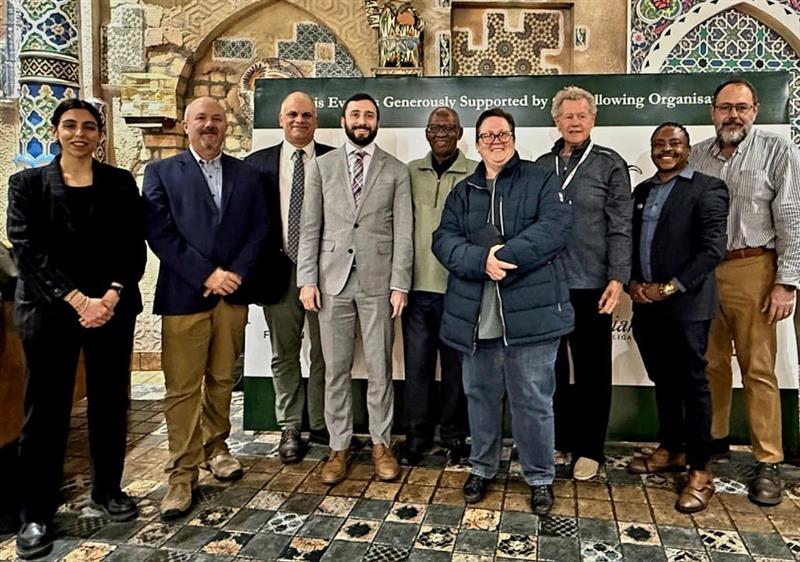
Safari Club International Foundation (SCIF) continues to represent SCI members and all hunter-conservationists in international wildlife policy fora. Fall 2025 was especially busy on this front. Following the African Wildlife Consultative Forum in Livingstone, Zambia, in September, SCI Foundation took our message in support of sustainable use to the World Conservation Congress hosted by the International Union for the Conservation of Nature (IUCN) in Abu Dhabi. As the premier science-based international conservation organization, the IUCN is a leading voice in assessment of species status through their Red List of Threatened Species and other policy initiatives. Motions taken at the WCC set precedent for future international wildlife policy. SCIF has been a member of IUCN since 2016, recognizing our commitment to science-based wildlife management. An increasing presence of animal rights-based organizations at IUCN continues to put pressure on hunting and other sustainable wildlife use but SCIF works with partner organizations to advocate for responsible use and for the rights of the local communities that live side-by-side with wildlife.
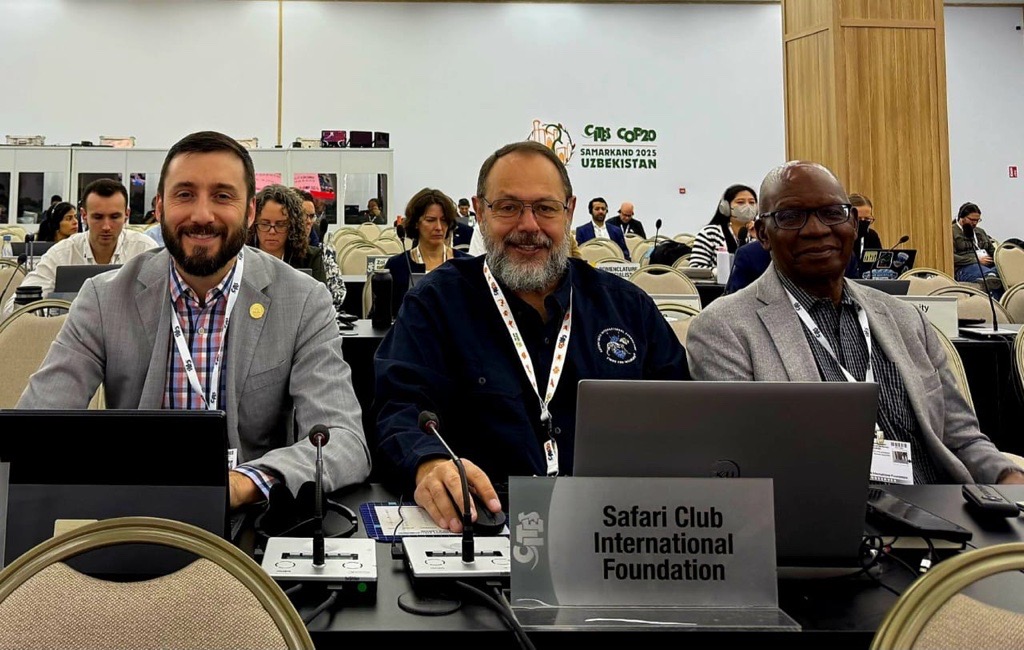
Working with the International Affairs team from SCI, SCIF also made a significant impact at the 20th Conference of the Parties for the Convention on International Trade in Endangered Species of Wild Fauna and Flora, held in Samarkand, Uzbekistan. Delegates Dr. Chris Comer, George Pangeti, Dries van Coller, and SCI’s Jeremy Clare, Mpho Tjiane, along with other members, advocated tirelessly for sustainable use and conservation. While SCI/F does not vote, their presence provided thoughtful alternatives and promoted dialogue among international parties.
This year’s CITES CoP20 provided validation of the success of sustainable use for conservation. Major outcomes included the removal of the Bontebok from the CITES appendices, a testament to successful hunting-based conservation in South Africa, and the retention of trade limits for the Saiga antelope, recognizing the robust, science-based management of Saiga in Kazakhstan. Proposals on African elephants and rhinos sparked debate, with Namibia’s requests for ivory and rhino horn trade ultimately rejected, though some progress was made for future discussions. The event also facilitated productive meetings, advancing plans for the African Wildlife Consultative Forum in Tanzania next year. SCIF’s participation strengthened networks and kept sustainable use at the heart of global conservation efforts.

