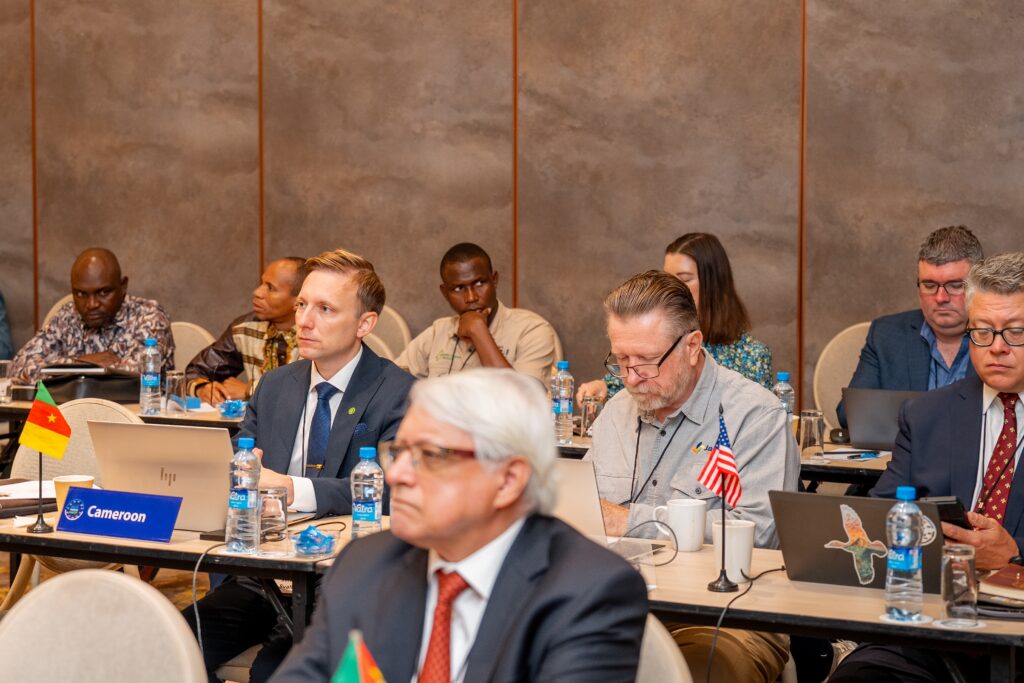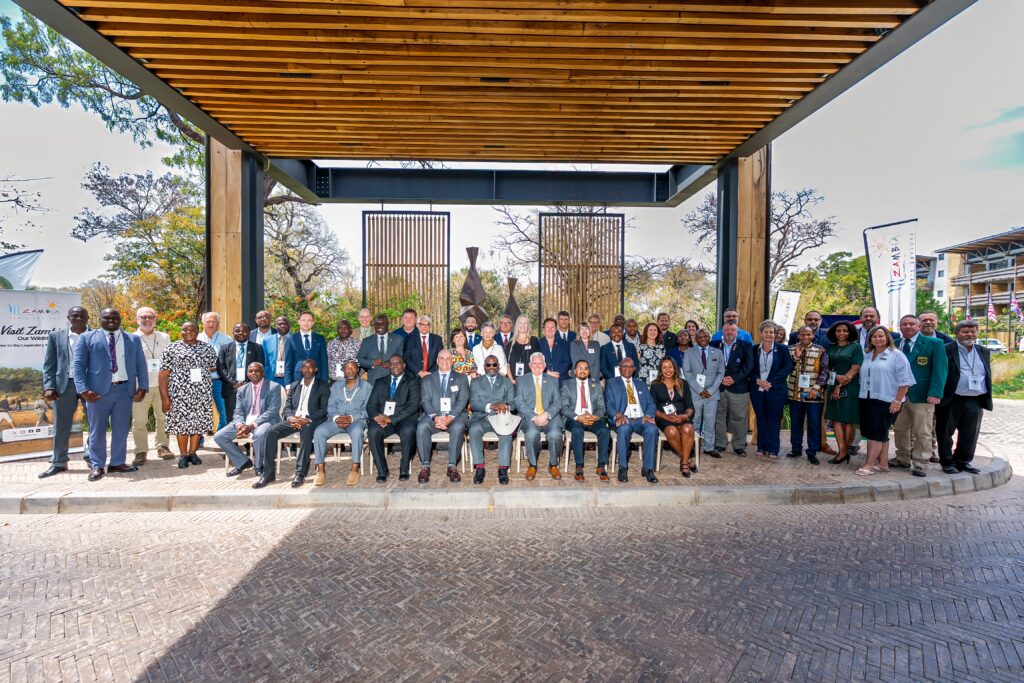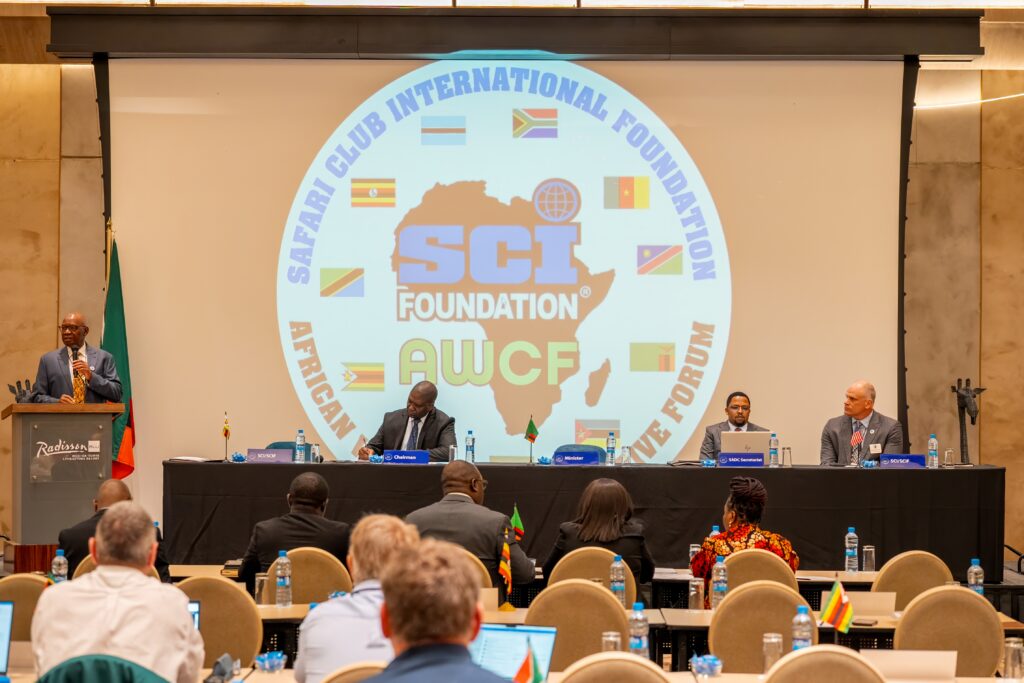
The African Wildlife Consultative Forum is Safari Club International Foundation’s flagship event, bringing Africa together like no other forum that currently exists.
It brings together professional hunting associations, operator and outfitter associations, government delegates from all range states, researchers and scientists, and other role players who contribute to sustainable use.
Registration for this year’s forum stands at 110 delegates, and the number keeps climbing. The forum runs November 15 to 21 at the Gran Melia in Arusha, Tanzania, and this is shaping up to be a strong gathering this year.
Angola will be represented for the first time, with government officials attending as the country steps forward as a new and emerging market for conservation and sustainable use. The Democratic Republic of Congo and the Central African Republic will also send delegations, extending the forum’s reach into parts of Africa that rarely get a seat at this Forum.
Tanzania’s government will open proceedings, with the Minister delivering the welcome address, backed by a large national delegation. Hosting on home ground, Tanzania has every reason to show up in force, and it has.
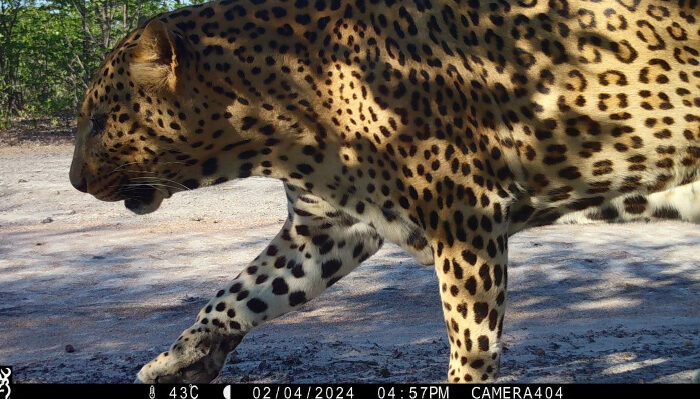
The week’s agenda covers a lot of ground. Delegates will revisit feedback from last year’s AWCF in Zambia, picking up again on the African elephant, rhinoceros, lion, and leopard discussions that have been a long-standing item on the AWCF agenda. Social acceptance of hunting, wildlife economics, and community-level issues are back on the table too.
On the policy side, the forum will cover feedback from the recent CITES Animals Committee meeting in Geneva, including Document 44, and look ahead to what the upcoming CITES Standing Committee might bring. Quota reviews, and how range states will approach them, are also on the table, a discussion point that will keep coming up across CITES platforms going forward.
IUCN, CBD, and CMS each held their own independent conferences this year. One session will bring delegates feedback from all three, a fuller picture in a single sitting of where the international conventions stand on issues that matter to Africa.
The US Fish and Wildlife Service will attend in person again this year. Face time with USFWS does not come around often and having them in the room to hear these issues directly from the people living them counts for more than any written submission.
A new discussion panel this year tackles lion aging, a topic new to the forum with nothing established yet. Stakeholders and researchers will identify the challenges, find common ground, and work toward a strategy for aging methodology and offtake that works for everyone, with an eye toward setting the best practices for this area.
Human-wildlife conflict gets its own session. Presentations from Zimbabwe come first, then the floor goes to community members who deal with this problem daily.
The Southern African Development Community (SADC) will also be present to discuss regional issues. SADC is looking for guidance ahead of the next Conference of the Parties and will lay out the challenges it faces and where the range states stand, with delegates providing input in response. It is another chance to put real, on-the-ground challenges in front of a body that does not often get to hear them directly.
It is a full agenda, and a demanding one. A week of hard, intensive work lies ahead, but one that will pay off for wildlife and the people who live alongside it across Africa.
It is shaping up to be a week to remember. We look forward to seeing you in Arusha. Watch this space for further updates as the forum gets closer.