As human-wildlife interactions continue to increase across Japan, SCI Foundation is partnering with researchers and wildlife managers to provide the science needed for effective bear management and long-term conservation.
The Japan Bear Project is a collaborative effort between SCI Foundation and the Wildlife Management Office (WMO) in Japan’s Kanto Region. Through multi-year field research, the project is improving understanding of Asiatic black bear populations, distribution, movement patterns, and habitat use.
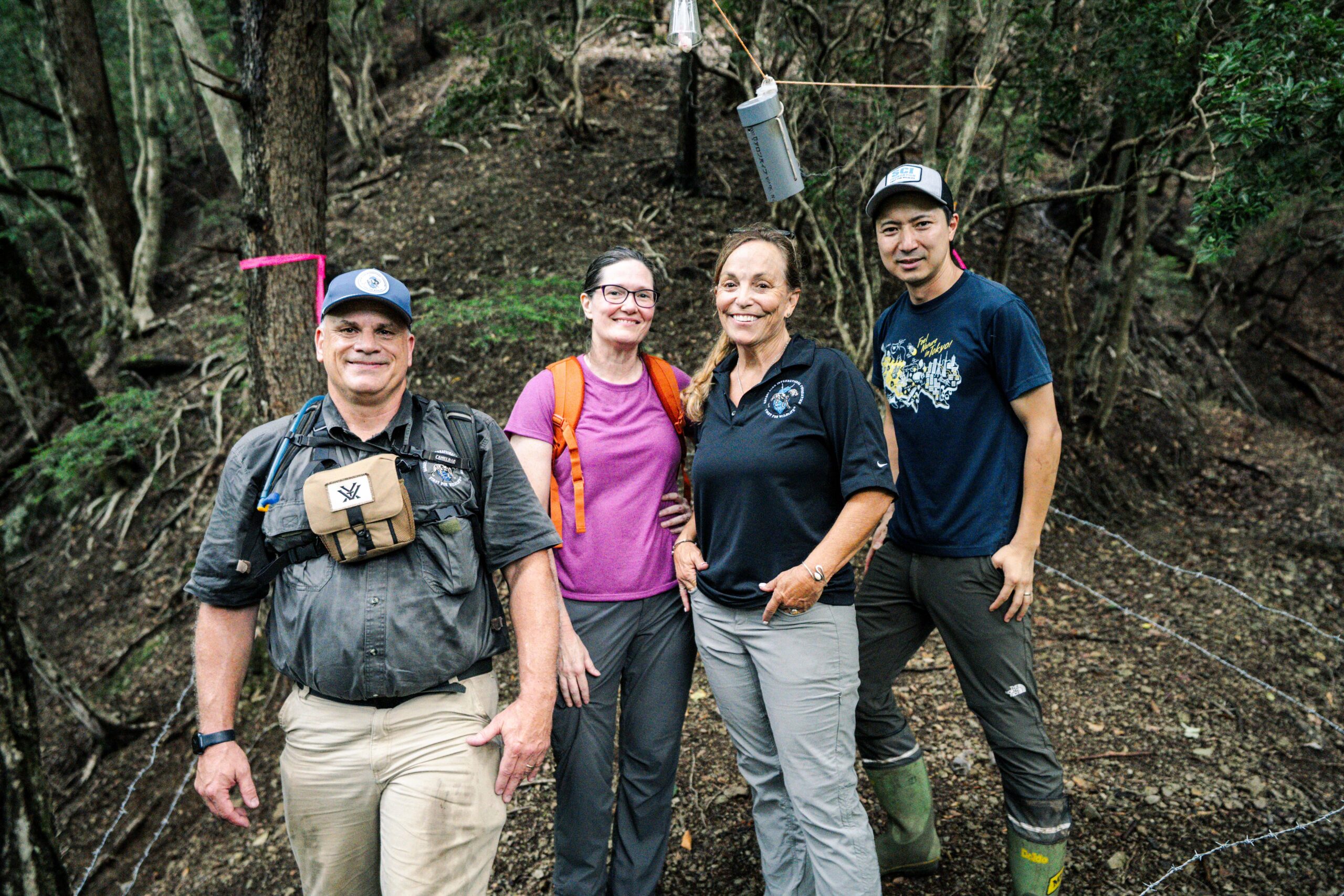
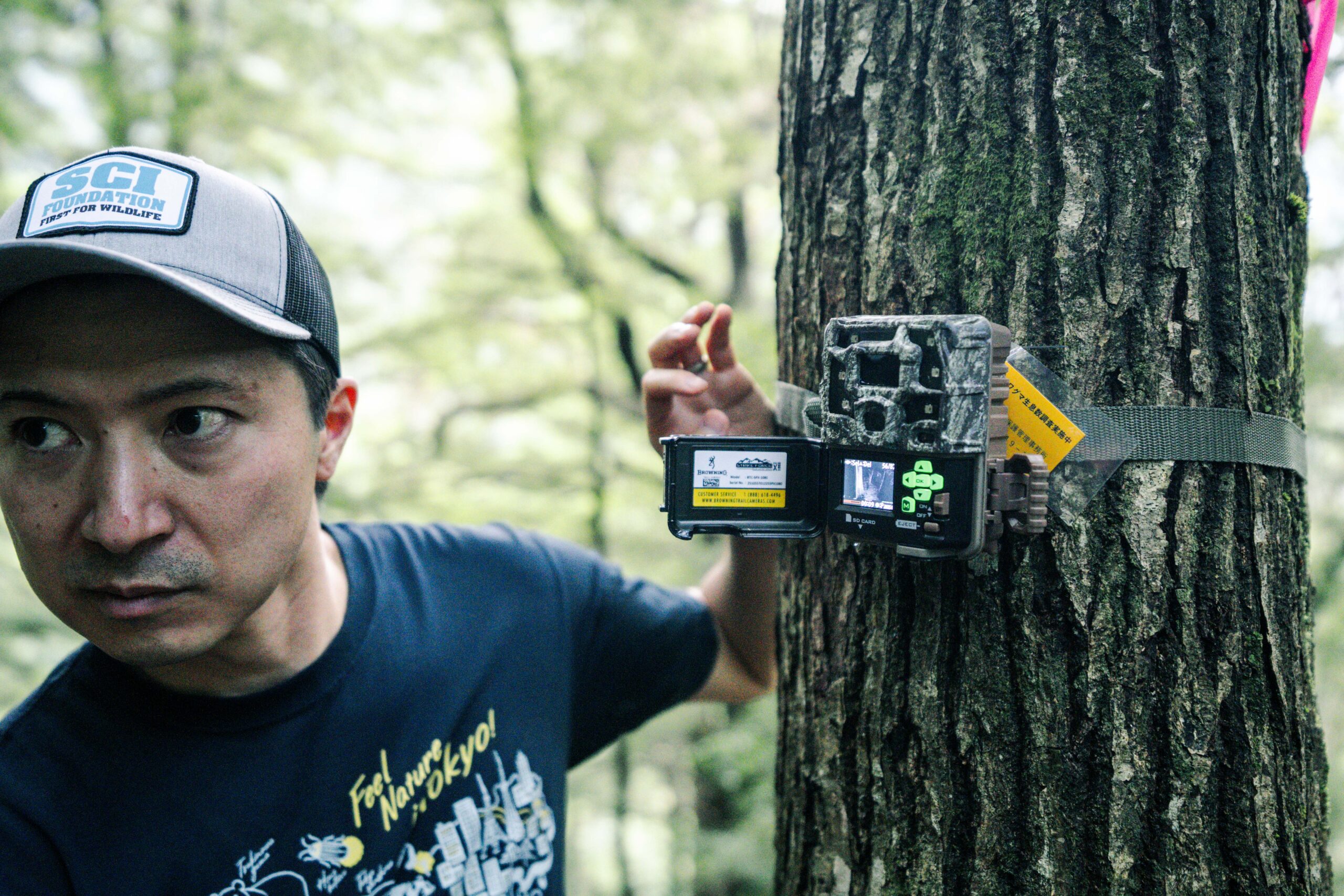
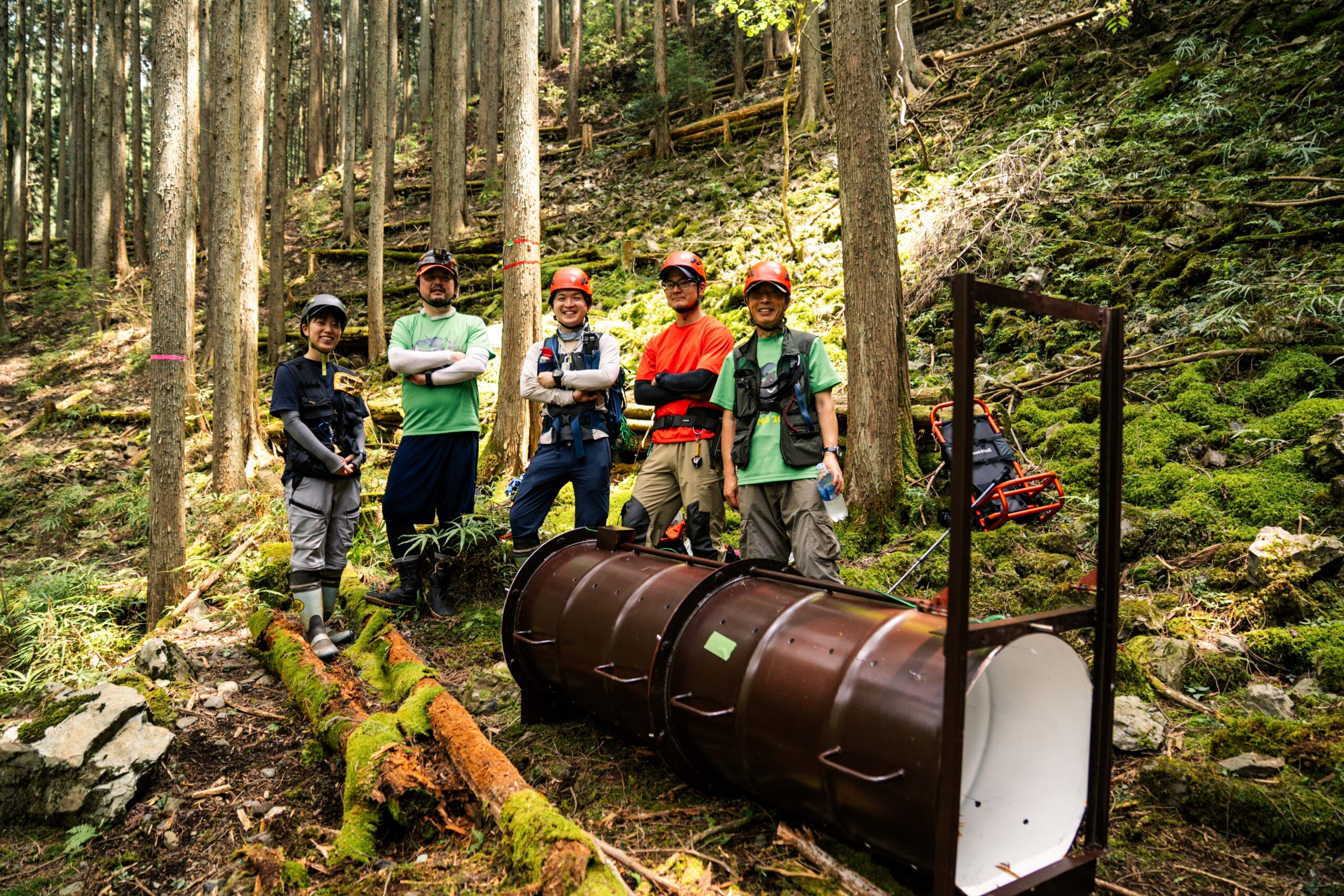
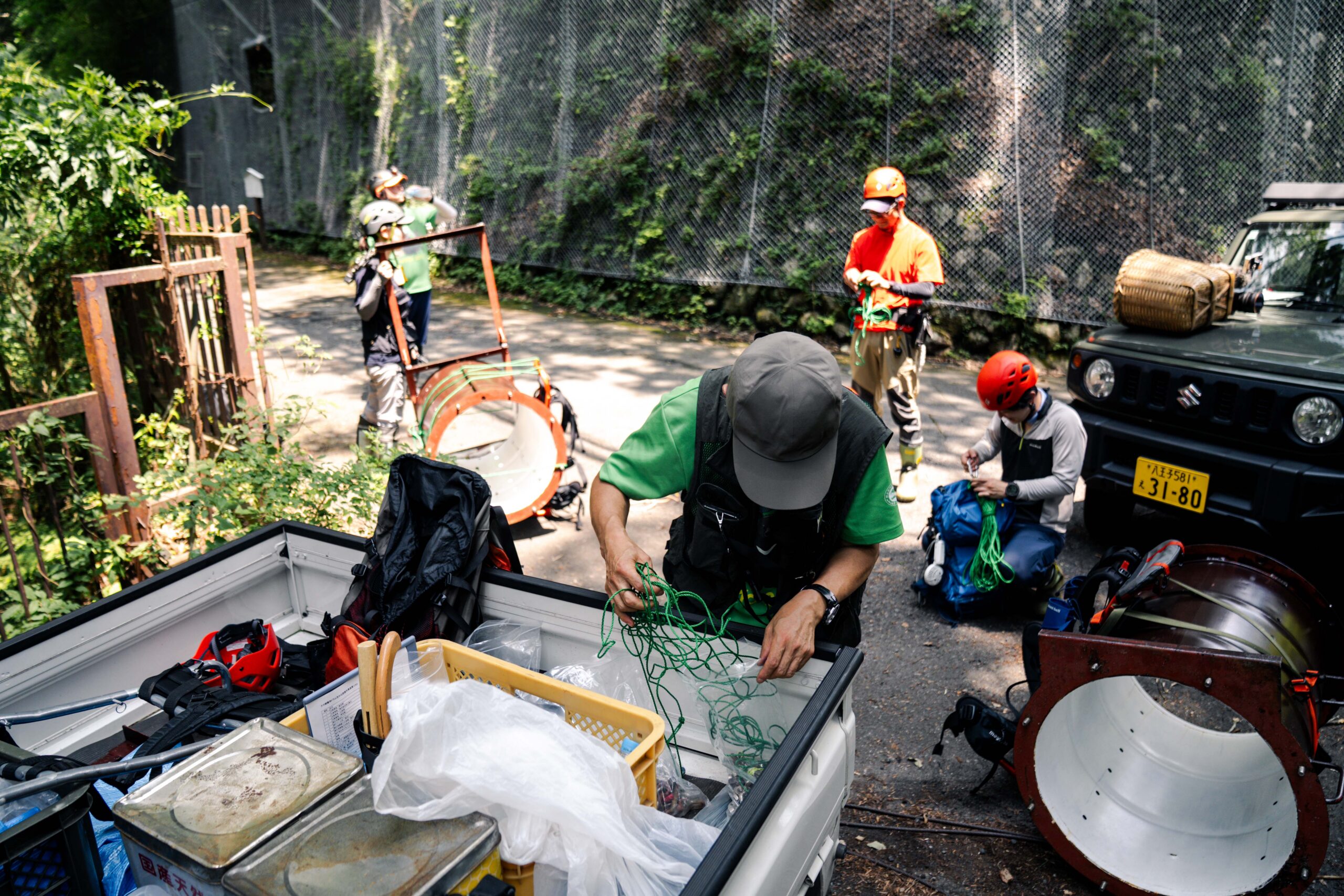
Researchers are using non-invasive hair snares to collect DNA samples to estimate population density and abundance and better understand where bears are moving across the landscape. Field teams also conduct trapping operations to gather biological data, assess bear health and condition, and fit select bears with GPS collars.
This summer, SCIF staff Maria Davidson and Chris Comer traveled to Japan to participate in field research alongside WMO partners and see the project firsthand. During the field season to date, researchers successfully collared two female bears, marking an important milestone in collecting movement data that can help inform future management decisions. Japan authorities wish to use a more complete data set to create zones for future harvest decisions. Photos captured during the visit also documented the project in action and will help share the story of this work with SCIF supporters and partners.
The project comes at a pivotal time, as communities across Japan face growing challenges related to bear activity and human-bear conflict. By supporting reliable, science-based research, SCI Foundation and its partners are helping build the foundation needed to guide future conservation and management decisions for Japan’s black bears.