Two pilot landscapes in Mozambique and Zambia are helping turn a bold anti-poaching strategy into measurable, landscape-scale conservation impact.
The Anti-Poaching and Landscape Protection Strategy (ALPS) has moved from concept to pilot implementation, using field validation and stakeholder input to shape a practical, landscape-scale conservation approach.
Selecting the Pilot Sites
Pilot sites were chosen through a structured, anonymous evaluation process that considered ecological importance, community benefit, risk, scalability, anti-poaching capacity, and likelihood of success.
From that process, two contrasting pilot landscapes were selected: Mozambique’s Zambezi Delta and Lower Luano in Zambia.
Mozambique: Zambezi Delta
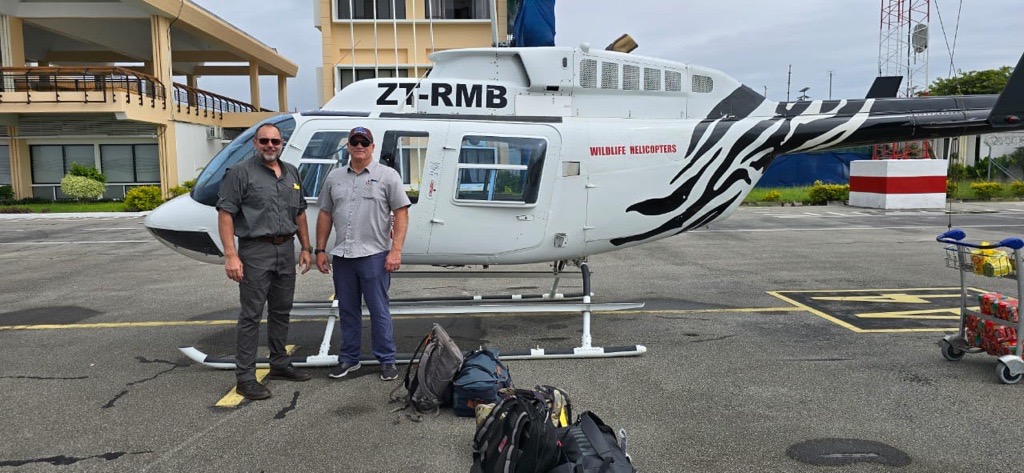
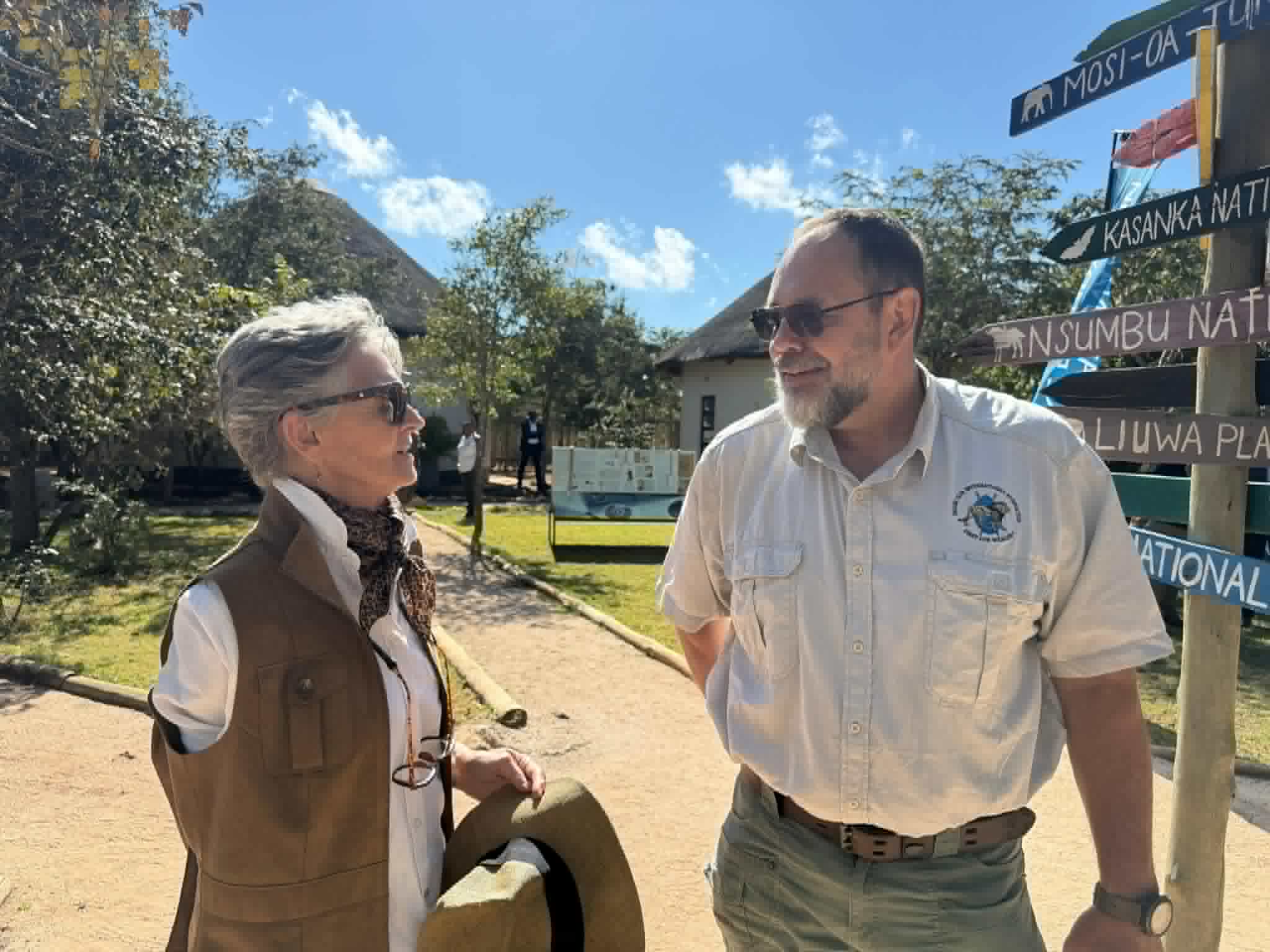
Dr. Comer and Dries van Coller conducted the first site visit in Mozambique, gaining firsthand insight into the opportunities and challenges of implementing ALPS in a complex wetland ecosystem.
The Zambezi Delta is rich in biodiversity, but it also faces limited infrastructure, logistical challenges, and ongoing pressure from poaching and resource use.
A key outcome of the visit was expanded collaboration with neighbouring concession holders and community areas, extending ALPS support across a connected landscape of nearly two million acres.
Zambia: Lower Luano and a Story of Recovery
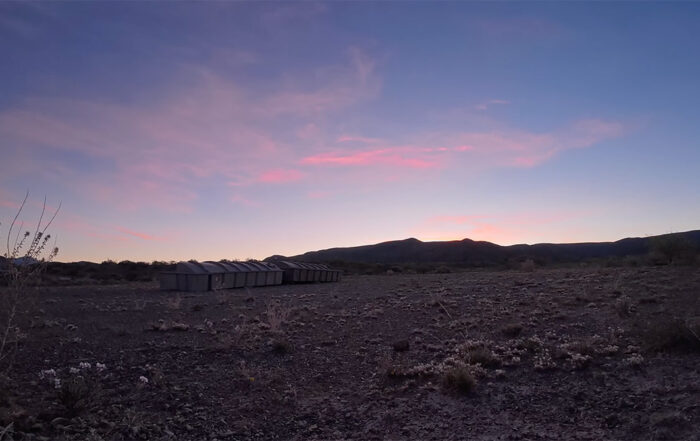
Lower Luano offers a very different setting: a dry woodland and savannah landscape that has faced significant poaching pressure and wildlife depletion.
The area gained wider attention through Tom Opre’s documentary Killing the Shepherd, and its selection reflects both urgent need and strong opportunity for recovery.
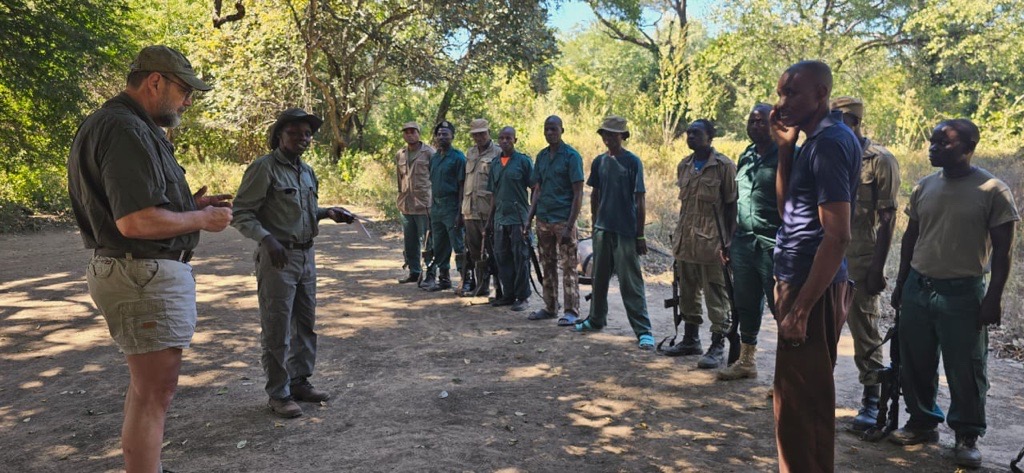
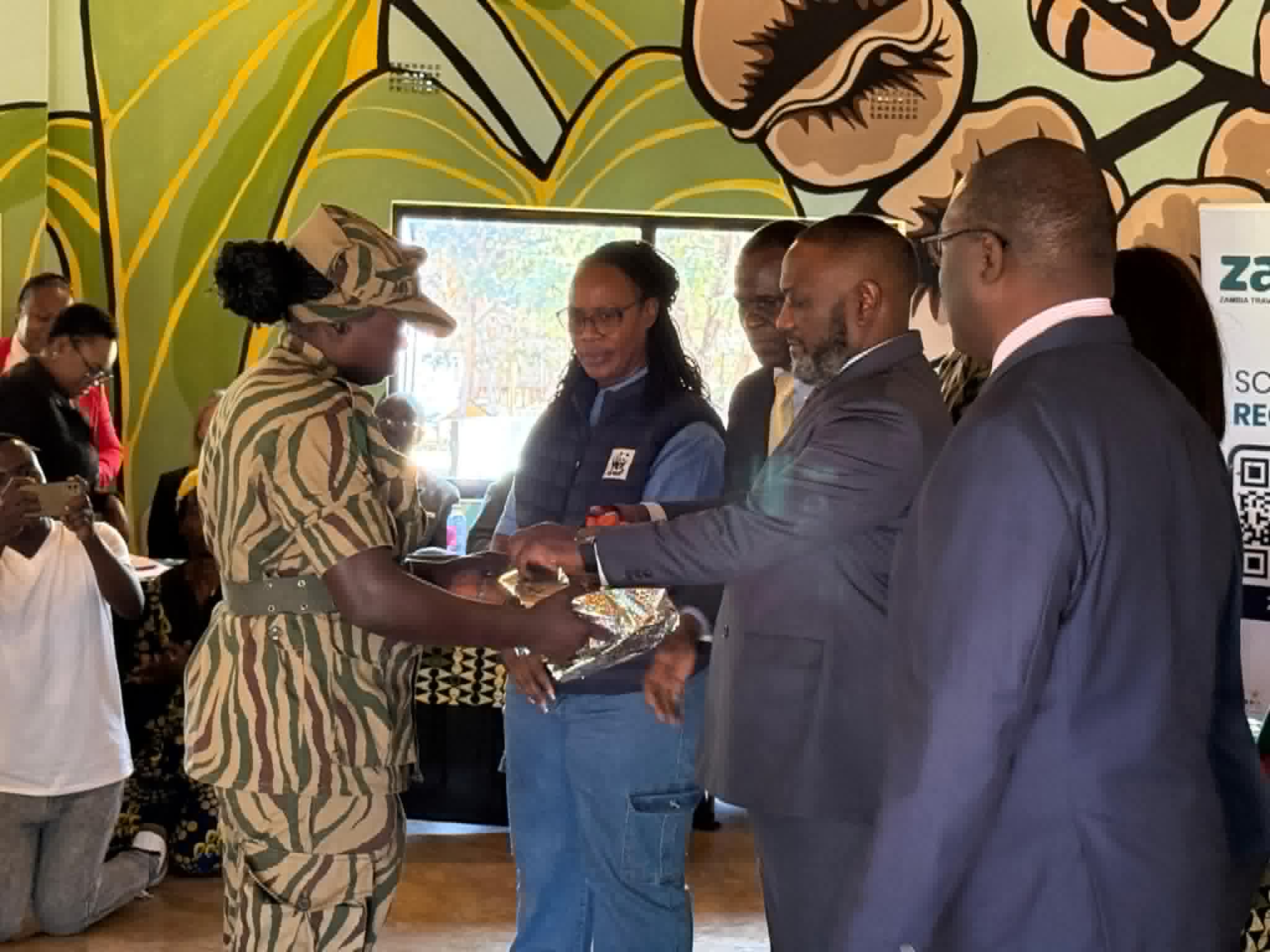
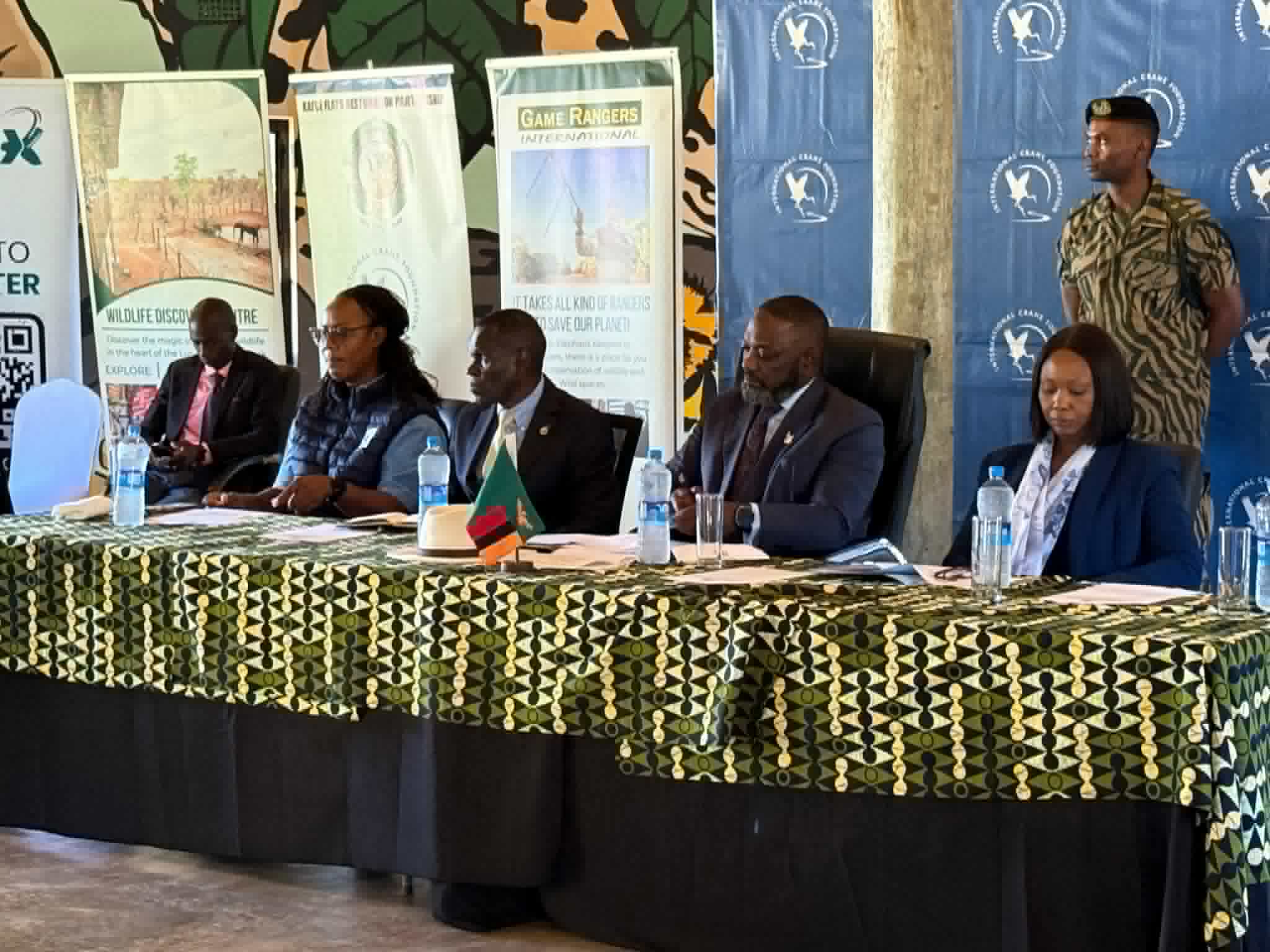
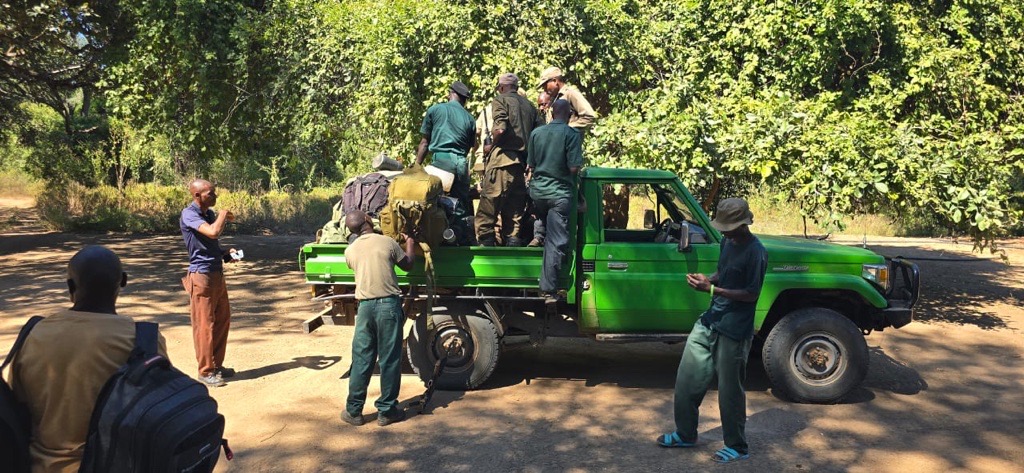
During the visit, conversations with operators, rangers, community leaders, and government representatives helped validate the site’s selection and clarify local priorities.
The Zambian Government also announced it would donate fifty buffalo and fifty puku to the area, reinforcing the value of collaboration in long-term conservation recovery.
What Comes Next
With site selection and validation complete, ALPS is moving into planning and implementation. Each landscape will require tailored solutions based on its ecological conditions, operational needs, and community priorities.
Key priorities include:
• Procurement and deployment of anti-poaching technology and infrastructure
• Strengthening ranger capacity and operational systems
• Community engagement programmes and benefit-sharing mechanisms
• Landscape-level coordination among adjacent concessions
• Monitoring, evaluation, and adaptive management systems
A Promising Path Forward
ALPS has evolved from an anti-poaching initiative into a broader landscape protection strategy that connects wildlife protection, community engagement, and governance.
Early progress is encouraging, including the nearly two-million-acre conservation landscape in Mozambique and strong government engagement in Zambia.
As implementation begins, success will be measured not only by reduced poaching, but also by healthier habitats, stronger wildlife populations, and improved community livelihoods.
By testing the model in two very different landscapes, ALPS is building a foundation for future expansion and long-term conservation impact.